The Best Social Media Platforms for Your Business

“Which social media sites should my business be on?” We get this question a lot. There are so many social media platforms with new ones joining the conversation all the time. So where should you set up shop?
This question isn’t as simple as it may sound. And the answer is never “start with them all and see what sticks.” Instead, we’d tell you to ask a few great questions:
1. Why Social Media Anyway?
Like with all great marketing initiatives, start with a plan. Ensure you've answered these key questions:
Why are you looking to build (or rebuild) your social media presence?
What business goals should social media directly support (awareness, lead generation, community building, customer care)?
Which key messages, themes, or stories do you want to consistently own?
What kinds of conversations or feedback are you prepared to collect and respond to — publicly and in real time?
Today, social media is less about “posting content” and more about building trust and relevance. Organic reach is harder. Attention spans are shorter. The brands that win are the ones that are intentional.
2. Who Are you Trying to Reach?
You’ll need a firm grasp on who your target customers are and where they're spending their time.
If you have a stakeholder persona, that’s the perfect place to start. If not, determine who your customers are in terms of:
Demographics: Age, gender, geography, income, career stage.
Psychographics: What do they value? What are their hobbies and interests? What do they aspire to? Which content formats do they prefer (short-form video, long-form insight, visual storytelling?)
Watering holes: Where does your audience hang out online and offline? What are the websites and platforms — social media and otherwise — that are most targeted to them?
How do they use social media? What social content are they engaging with most? Who do they trust? Which creators, brands, or voices influence their decisions? Are they active posters, or passive consumers?
There are plenty of ways to uncover this information: social listening tools, sales conversations, analytics, and competitive intel are more valuable than ever to help you better understand your target audience.
3. Which Platforms Pose the Biggest Opportunity?
Different platforms were created for different reasons, serve different audiences, and operate on very different algorithms. Before you decide on one specific platform, pause and review where you can realistically compete and contribute.
Here’s a look at today’s major players:
Audience profile:1
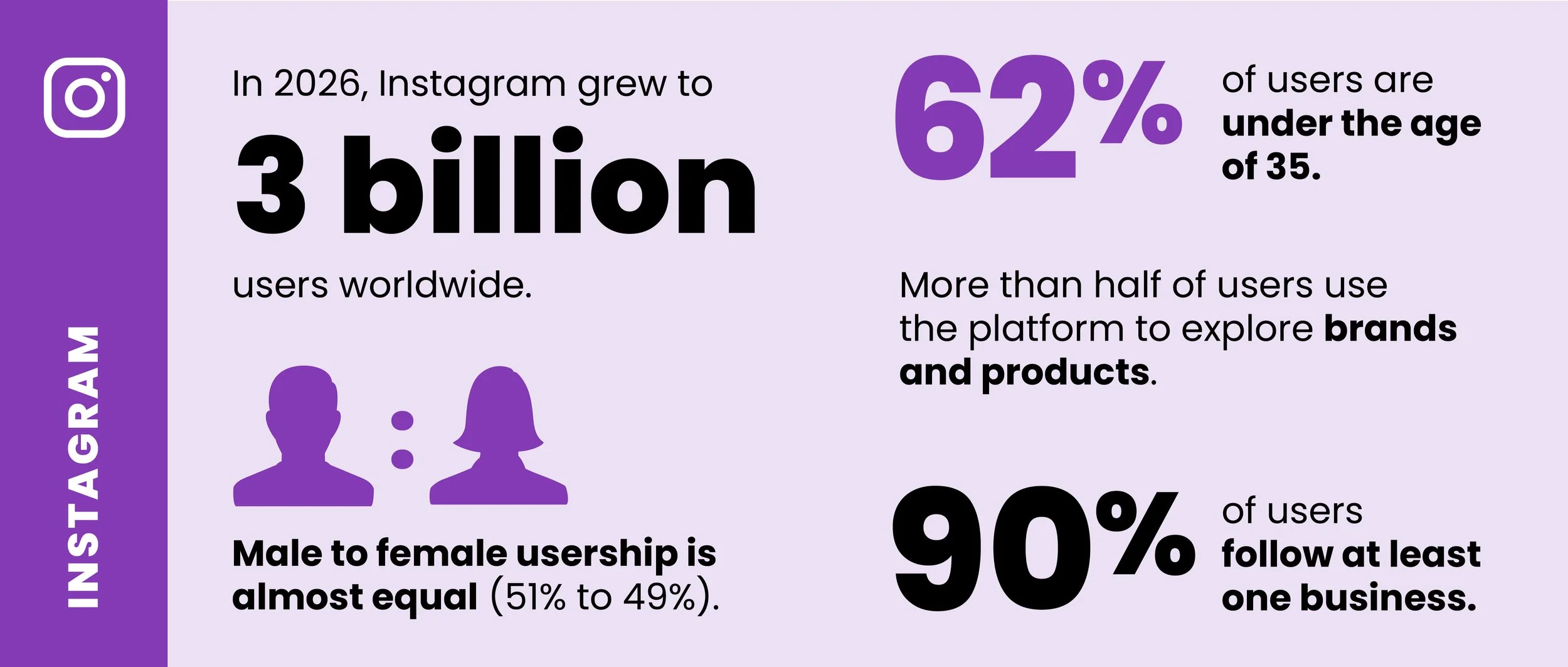
Great for:
Growing awareness of your brand and products/services
Building strong brand presence and positioning
Connecting and collaborating with influencers
Joining and starting conversations
Visually inspiring and engaging target audiences
Thought leader branding
Listening to what your target audiences like, want, and care about
TikTok
Audience profile:2
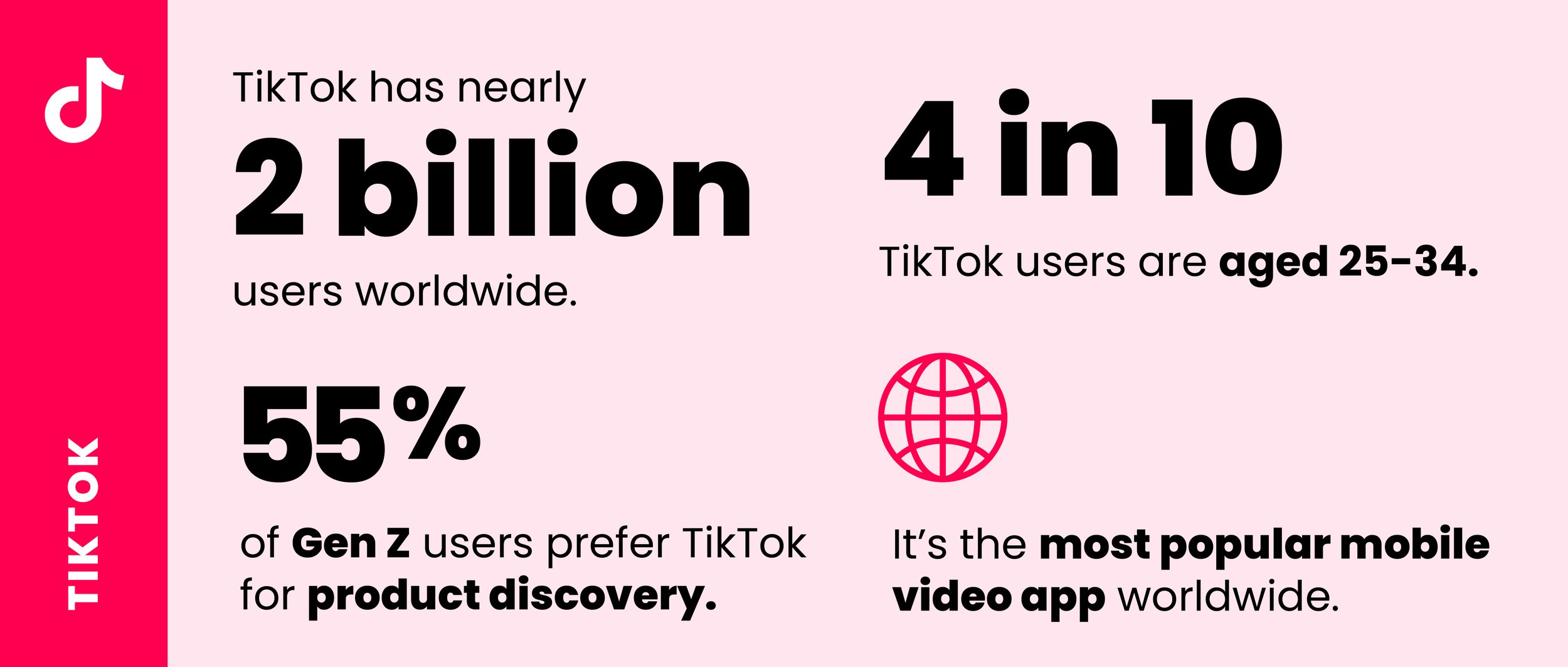
Great for:
Building brand awareness
Organically extending your reach (with consistent, platform-native content)
Engaging community and building an audience
Promoting sales
Gathering customer feedback
Having viral reach and impact without high volume of followers
Educating and sustaining your audience
Red Flag: Data privacy and security risks have led to the ban of TikTok on government issued devices in some jurisdictions. Be ready to flex if this app’s audience dwindles as a result.
LinkedIn
Audience profile: 3
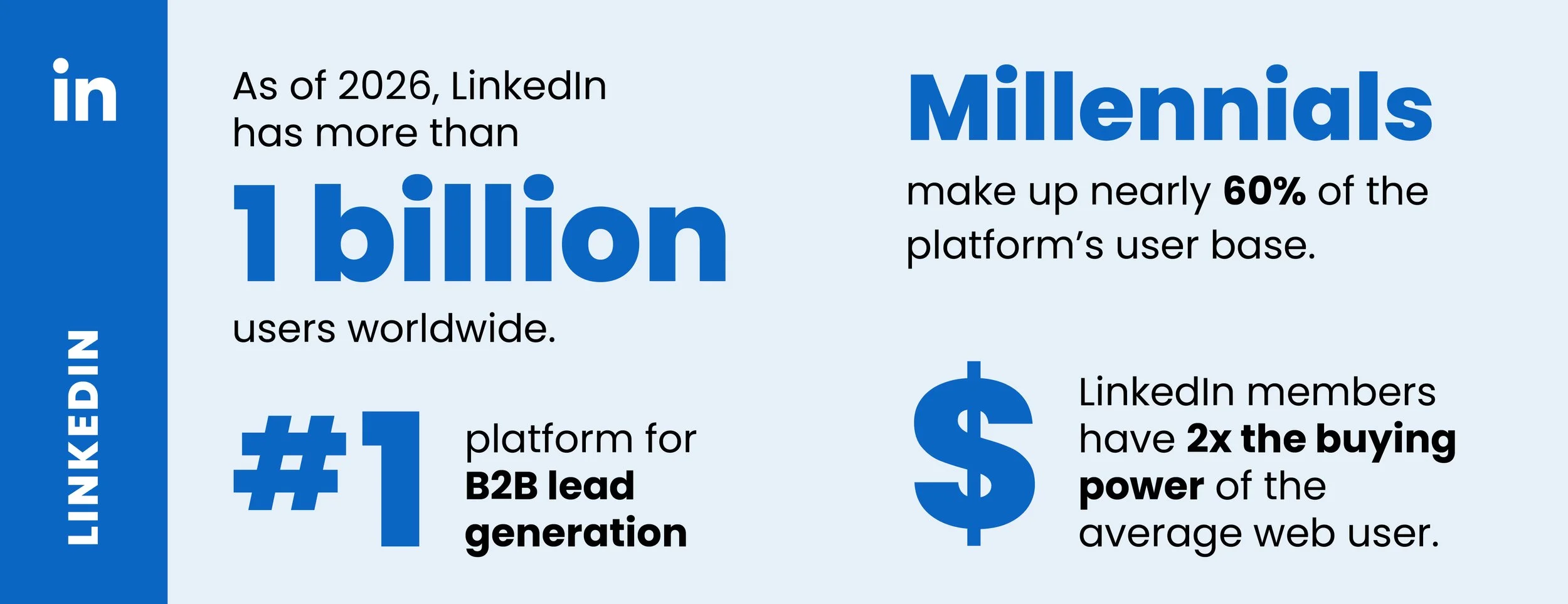
Great for:
B2B marketing and relationship building
Establishing thought leadership
Sales prospecting and lead nurturing
Attracting and informing prospective staff
Facebook
Audience profile:4
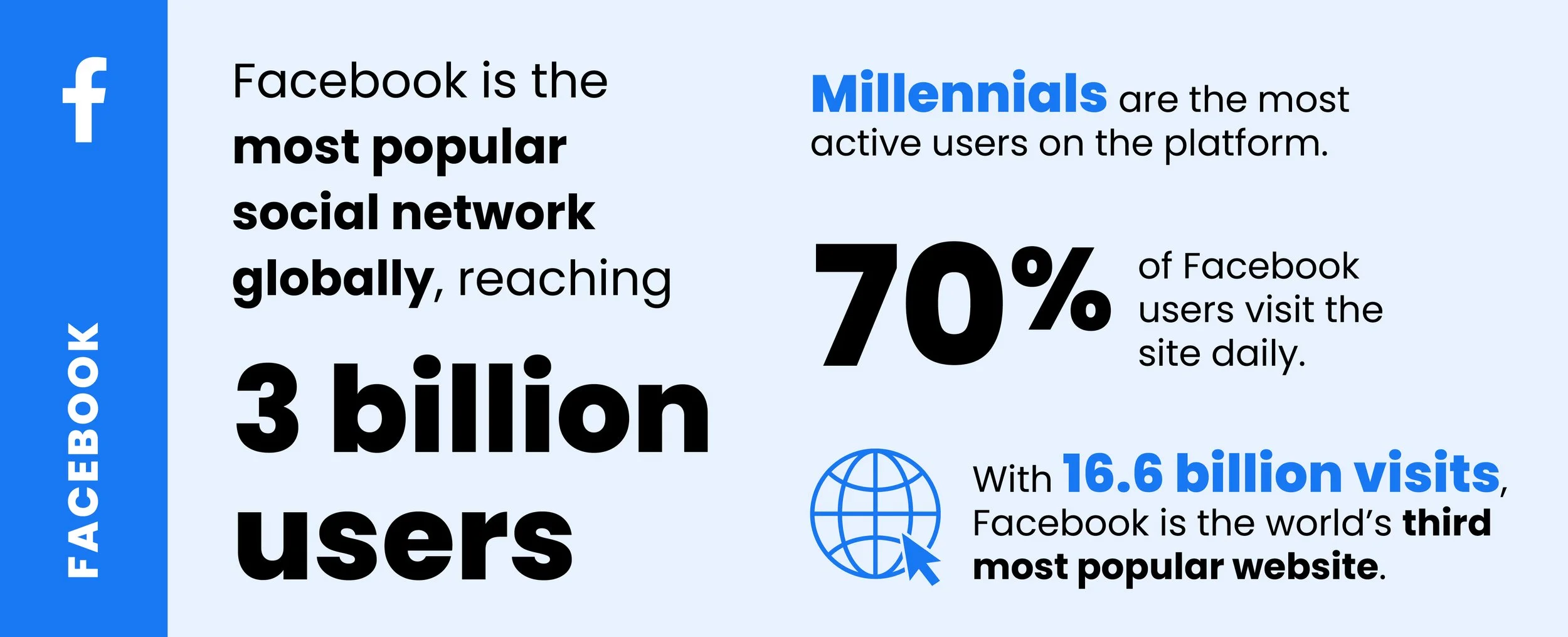
Great for:
Reaching your audience in a highly targeted way (especially through paid advertising)
Building awareness of your brand, products, and services
Collecting feedback
Joining and starting conversations
1:1 interaction with members of your target audience
YouTube
Audience profile:5
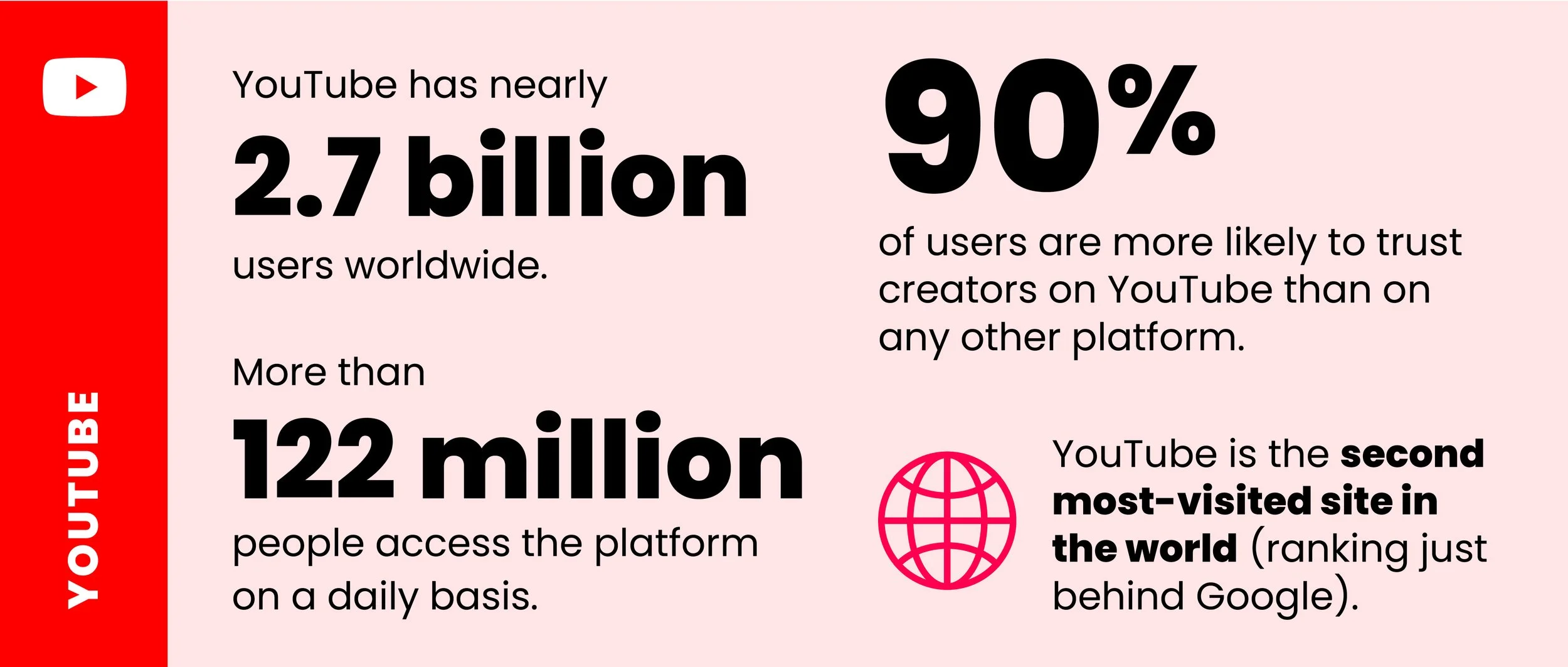
Great for:
Extending your reach through search and suggested content
Building awareness of your brand and products/services
Deepening trust with long-form, face-to-camera content
Showcasing products or services in action
Turn video content is multiple assets across social, email, and web
4. What Are Your Content Capabilities?
There’s nothing worse than an abandoned social media channel. Or a company that blasts the exact same messaging out to all of their social properties. It’s at best heavy handed and at worst disrespectful to your hard-won followers.
Before you commit to building a home on social media, take a look at your content creation budgets, capabilities, and capacity. Each channel requires a strategy and platform-native messaging (good news: the channels can work together if you create a strong social strategy from the get go and thoughtfully slice, dice, adapt, and reformat content to best match the channel).
There’s no magic formula for frequency of posting, except to be consistent. Do your best to set a schedule and stick to it.
Looking at the same platforms, here are our recommendations for publishing content that has impact.
Instagram Content Recommendations:
A thoughtful visual identity filled with images that tell the story of your brand and sell possibilities, not products, features, or benefits.
Short-form video is king. Think 7-15 second reels with a strong 3-second hook and trending audio.
Optimize for discoverability with SEO keywords in profile, captions, alt text, and hashtags.
Maximize stories with polls, quizzes, questions, and DM prompts to deepen engagement.
Post strategically. Rely on insights to time content to when your audience is most active.
TikTok Content Recommendations:
Think like a content creator, not a salesperson. Authenticity is the highest currency and unpolished content wins.
Stick to 15-30 seconds. Shorter videos perform better, especially for new accounts.
Use a clear hook, always. In a fast-scrolling environment, the first few seconds determine your video’s success.
Use trending audio and tap into popular sounds to boost discoverability.
Reply with a video by turning comments into content to keep conversations going.
Jump on trends early. Timing is key and trend participation fades fast.
LinkedIn Content Recommendations:
This is a business network first and a social platform second. Spend your initial efforts focused on ensuring your profile is complete, current, “readable”, and valuable.
Trade generic advice for original insights that are relevant to your product and/or service.
Contribute to conversations in your feed with with helpful, valuable insights and perspectives.
Capture attention in the first three seconds with a stat, question, or striking visual.
Design for mute: 79% watch without sound so use captions or on-screen text.
Facebook Content Recommendations:
Include clear CTAs: Engagement (likes, shares, comments) boosts visibility.
Optimize for mobile: 90%+ of users scroll on their mobile devices.
Prioritize shareable content: Uplifting stories, community wins, and behind-the-scenes posts perform well.
Leverage groups and events. They’re great for cultivating community and promoting actions or campaigns.
YouTube Content Recommendations:
Experiment with YouTube Shorts: quick, vertical videos to drive discovery and reach.
Test and learn by combining Shorts with long-form videos and stories to see what sticks.
Use end screens to drive viewers toward future actions (like another video, subscription, or external link).
Nail your thumbnail. Bold, clean thumbnails are typically what drive clicks.
Don’t forget about SEO: use smart titles, keywords, and prioritize niche content.
Prioritize a niche (one clear topic or audience) for better discoverability.
All Told
When choosing the social media sites that will help boost your business, start by investigating which platforms are actively used by your audience and that support the types of content you can create on a regular basis.
If you’re a large B2C company with a marketing team and a healthy budget, you may diversify across multiple channels. If you’re a smaller organization or a B2B with a very particular audience, you may choose to focus on one platform and do it exceptionally well. That’s okay, too.
It’s better to have one or two robust, high-engagement social channels than to have a suite of underperforming, neglected accounts.
Key Takeaway
For social media success:
Start with “Why”.
Know your audience.
Be realistic about your content capabilities.
Choose your channels strategically.
Show up consistently.
Kristy Guthrie is the Founder and Principal Strategist of Bright Light Digital, where she uses her flair for strategy, and for life, to bring out the best in brands and people.
MORE IDEAS